`n
Samarth Hospital Speciality

Neurology Consultation

Precise diagnosis and effective management of epilepsy, stroke, Parkinson's disease, migraines, multiple sclerosis, and all neurological conditions - using advanced diagnostics and evidence-based protocols.
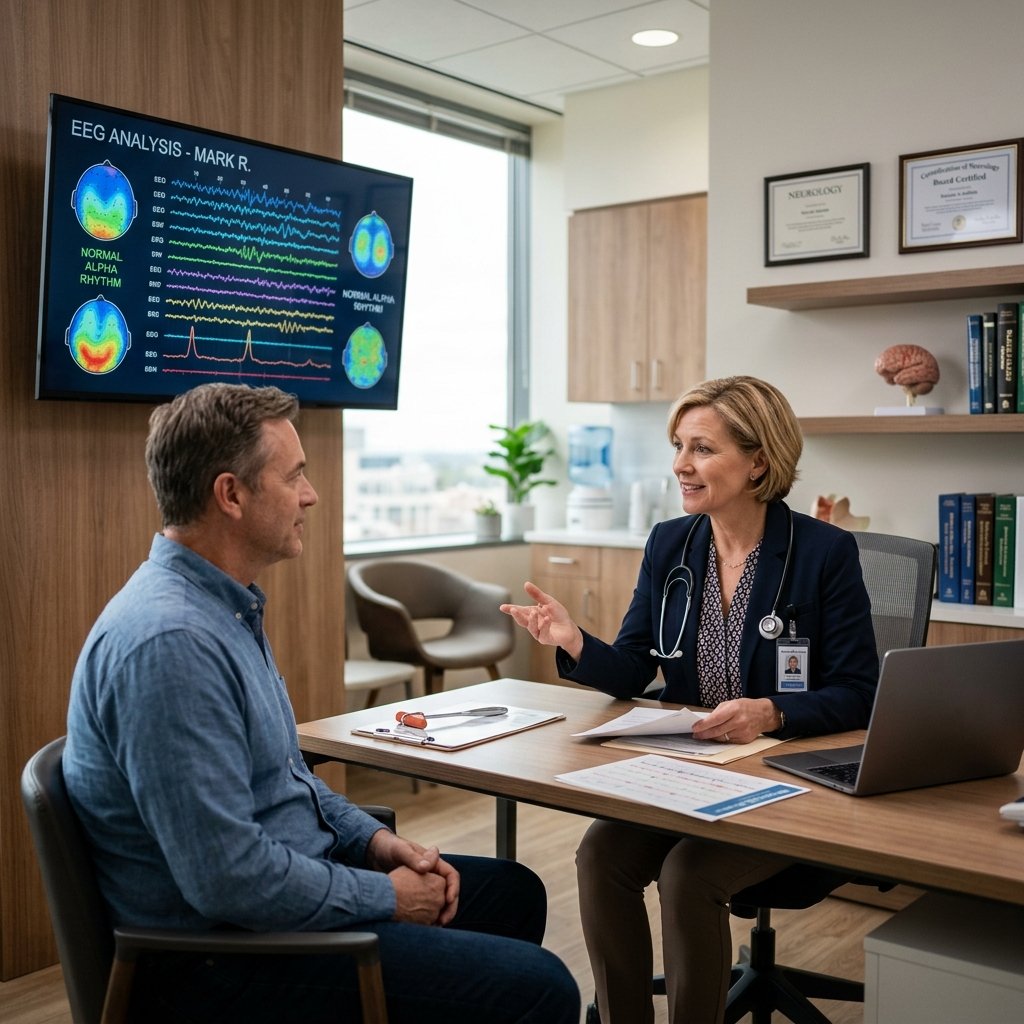
Neurology consultation with doctor at Samarth Hospital Miraj

What is Neurology Consultation?

Neurology is the medical specialty dedicated to diagnosing and treating disorders of the nervous system - the brain, spinal cord, and peripheral nerves. A neurology consultation at Samarth Neuro & Superspeciality Hospital involves a thorough clinical evaluation and targeted diagnostic investigations (EEG, MRI, nerve conduction studies) to reach a precise diagnosis. Our neurologists then design evidence-based, personalized treatment plans including medications, lifestyle modifications, and referral for surgical management when required.

How It Works

01

Detailed History Taking

The consultation begins with a comprehensive review of your symptoms, their onset and progression, past medical history, family history of neurological conditions, and current medications.

02

Neurological Examination

A structured physical examination assesses your cognitive function, cranial nerves, motor strength, coordination, reflexes, and sensory systems to localize the neurological problem.

03

Targeted Diagnostic Tests

Based on the examination, investigations such as EEG (for seizures), MRI brain/spine, nerve conduction studies (NCS), or blood tests are ordered to confirm the diagnosis.

04

Diagnosis & Treatment Plan

Once a diagnosis is established, a personalized treatment plan is created including specific medications, dosage titration, lifestyle advice, and follow-up schedule.

05

Ongoing Monitoring & Adjustments

Chronic neurological conditions require long-term management. Regular follow-up appointments are scheduled to monitor treatment efficacy, adjust medications, and check for side effects.

Signs & Symptoms

If you or a loved one experience any of the following, seek medical attention immediately:

  • Recurrent seizures or convulsions
  • Sudden weakness or numbness in face, arm, or leg
  • Severe, frequent, or worsening headaches
  • Tremors, stiffness, or slow movements (Parkinson's symptoms)
  • Memory loss or cognitive decline
  • Dizziness, vertigo, or loss of balance
  • Vision changes or sudden loss of speech
Book Emergency Consultation

Why Samarth Hospital?

Specialist Expertise

Our neurologists have deep subspecialty expertise in epileptology, movement disorders, cerebrovascular disease, and headache management.

Advanced Diagnostics On-Site

EEG, MRI, nerve conduction studies, and blood investigations are all available on-site for rapid, accurate diagnosis without referral delays.

Personalized Treatment Plans

We avoid "one-size-fits-all" approaches. Every patient receives a customized treatment plan based on their specific condition, age, comorbidities, and lifestyle.

Continuity of Care

We believe in long-term relationships with our patients. Consistent follow-up allows us to optimize treatment over time for the best outcomes.

Multidisciplinary Collaboration

When surgery is required, our neurologists work seamlessly with Dr. Patil's neurosurgical team for coordinated, comprehensive care.

Patient Education

We empower patients with knowledge about their condition - understanding epilepsy, stroke risk factors, or Parkinson's management significantly improves long-term outcomes.

Frequently Asked Questions

What is the difference between a neurologist and a neurosurgeon?

A neurologist is a physician who diagnoses and manages neurological conditions medically, without surgery. A neurosurgeon is a surgeon who operates on the brain, spine, and nerves. Many patients first see a neurologist, who then refers them to a neurosurgeon when surgery is needed.

Can epilepsy be cured?

Many types of epilepsy can be very well controlled with medication, allowing patients to live normal lives. A subset of drug-resistant epilepsy may benefit from surgical intervention. Our team will discuss all options with you.

How often should I follow up for a neurological condition?

This varies by condition. Epilepsy and Parkinson's typically require 3-6 monthly follow-ups. Stroke recovery may need more frequent early visits. Your neurologist will set the appropriate schedule.

Ready to Take the Next Step?

Our expert team is available 24/7 for emergencies and Monday-Saturday 9AM-8PM for consultations.

WhatsApp Emergency